

Download from our Free Stuff page!


Custom Wordpress | Bootstrap
That Look Great on All Devices!
Do you need a reliable website design service that you know that you can count on? Maybe you just need someone who can work with you to not only ensure that you get the best result from your site but to also make sure that you are more than happy with the way that it is planned out and the speed at which it runs. Either way, we certainly have the solution for you. We understand more than anyone how important it is for you to make sure that your site is successful because if your site is not successful then you can’t expect your business to be successful either and this is the main thing that you have to think about. Of course, when you come to our website design company, we can not only show you how to build a successful site, because we can also show you how to keep it updated with content, blogs and even infographics as well! By the time we’re finished, you’ll have a fully working, digital representation of your business and we guarantee that you won’t find anyone else better to do this for you.

Providing responsive website design and hosting services for all your website needs.

Providing custom WordPress websites that will suit all of your business needs

Get an awesome, fast loading Bootstrap website, ideal for company and personal sites
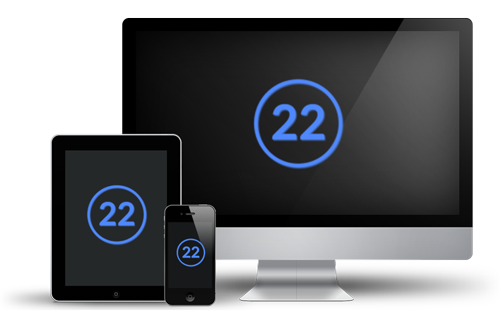
All of our websites are mobile ready responsive sites, they will look great on all devices. Whether you are looking for a one page product launch site with countdown timer, or a multi-page corporate website, you can be sure it will look great on anything from large cinema monitor to smartphone screen.
Get in touch with us for a free quote on a great site. Turn around time on our sites averages about two weeks, so you can be up and running with a new responsive design in no time
Much of our work is with local businesses, creating and maintaining their websites. We can provide support for your site as needed, or provide a monthly service plan tailored to the needs of your business.
Here are a few of our happy clients.
And many more.......
Thank you!
|





























Our team are experts in the field when it comes to WordPress and everything that it has to offer. We know how it works, how to get the best result and we even know how to give you everything you need from it as well. It doesn’t matter whether you have your own ecommerce site or whether you have your own business that provides a huge range of services, because we would be more than happy to work with you to make sure that you are happy with the colours on the site, the responsiveness of it and even the page loading times as well. If you have any of your own suggestions then we would love to hear from you about those and we would even love to work with you so you know that you can get the best result from us, time after time.
We don’t just work with Wordpress however, because we can also work with Bootstrap as well. We understand more than anyone how important it is for you to have a great site and that is why we have worked diligently to make sure that our knowledge is truly top notch. We can create the site that you have always dreamed of and we would love to show you why we are some of the best when it comes to Bootstrap website design. Of course, if you have any of your own ideas then we would love to incorporate them for you and we would love to work with you to show you why we are continually rated as being the best when it comes to customer service. We can even include site images, SEO advice, help and even support if you ever find that you want to change something or if you want to undergo a total rebrand.
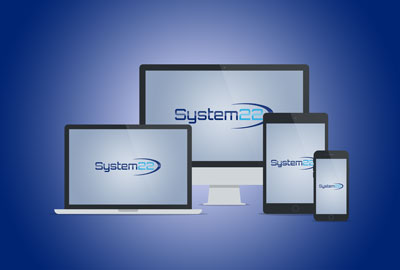
We can even change your static site into a responsive site and we would love to hear from you if you have any questions or if you would like to find out how we can help you so you know that you won’t have any issues there. If you want to find out more then all you have to do is get in touch with us today and we will do everything we possibly can to help you with your site and even the designs that you have in mind so you know you won’t have any problems.